When To Consider Hospice Care
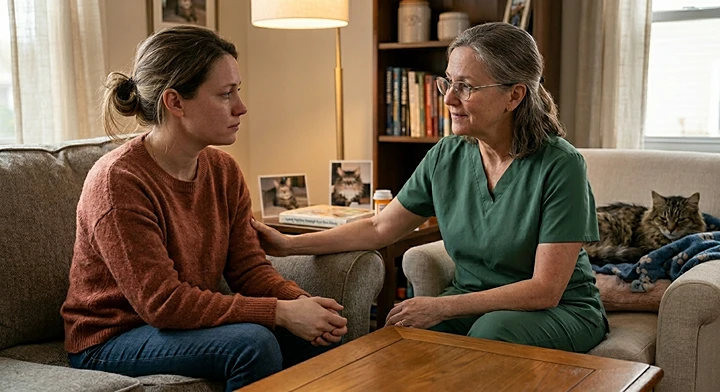
Learning that a beloved pet may need hospice care can be emotional and overwhelming. Pet hospice focuses on comfort, dignity, pain management, and quality of life when a pet is facing a serious illness, advanced age, or end-of-life condition. The goal is not to cure disease, but to help pets remain as comfortable and peaceful as possible while supporting the family through the journey.
What Is Pet Hospice Care?
Pet hospice care is specialized support designed to manage discomfort and improve quality of life for pets with terminal or chronic conditions. Hospice care often includes:
Pain management
Comfort-focused treatment
Mobility support
Nutritional guidance
Emotional support for families
Quality-of-life monitoring
Hospice may be provided through your veterinarian, veterinary specialists, or in-home veterinary care providers.
Signs It May Be Time to Consider Hospice Care
Every pet and situation is unique, but families may begin discussing hospice care when a pet experiences:
Chronic Pain or Discomfort
Pain that becomes difficult to manage or affects daily comfort may indicate a need for supportive care focused on relief and dignity.
Decreased Mobility
Difficulty standing, walking, climbing stairs, or moving comfortably can impact a pet’s quality of life and daily routines.
Loss of Appetite or Weight
Ongoing appetite loss, dehydration, or significant weight loss may signal disease progression or declining health.
Frequent Good Days and Bad Days
When bad days begin to outnumber good ones, families often start evaluating comfort and quality of life more closely.
Difficulty Breathing
Labored breathing, persistent coughing, or respiratory distress should always be discussed with a veterinarian promptly.
Loss of Interest in Favorite Activities
Pets who no longer enjoy affection, play, walks, treats, or social interaction may be experiencing declining well-being.
Increased Anxiety or Confusion
Senior pets or pets with cognitive decline may appear restless, confused, withdrawn, or unable to settle comfortably.
Quality of Life Matters
One of the most important parts of hospice care is evaluating quality of life. Veterinarians may help families assess:
Pain levels
Appetite and hydration
Hygiene and mobility
Happiness and engagement
Ability to rest comfortably
Hospice care can help families focus on comfort, meaningful time together, and compassionate decision-making.
Hospice Care Is About Love and Comfort
Choosing hospice care is not giving up. It is a loving decision centered on reducing suffering and honoring the bond you share with your pet. Many families find comfort in creating peaceful moments together during this time.
Support for Families
Caring for a terminally ill pet can be emotionally exhausting. It is important to seek support from:
Veterinarians
Friends and family
Pet loss support groups
Counseling resources if needed
You do not have to navigate this journey alone.
Cherish the Time Together
Even during illness, pets continue to feel love, comfort, and connection. Quiet companionship, favorite treats approved by your veterinarian, gentle affection, and simply being together can provide meaningful comfort for both pets and families.