Moving Forward After Loss Of Pet
The loss of a beloved pet changes daily life in deeply personal ways. Pets are constant companions, sources of comfort, and cherished members of the family. After their passing, many people experience grief, loneliness, sadness, and even uncertainty about how to move forward.
Healing after pet loss does not mean forgetting your pet or “moving on” from the love you shared. Instead, it means learning how to carry that love and those memories forward while slowly adjusting to life after loss.
Grief Takes Time
There is no timeline for grieving a pet. Some days may feel manageable, while others may feel unexpectedly difficult. Certain routines, places, or memories may bring strong emotions long after the loss.
Healing is rarely linear. It is normal to experience waves of sadness, moments of peace, and everything in between.
Allow Yourself to Heal at Your Own Pace
Everyone processes grief differently. Some people find comfort in talking openly about their pet, while others need quiet reflection and time alone.
There is no “correct” way to grieve. Be patient and compassionate with yourself during the healing process.
Remember That Love Does Not End
The bond shared with a pet continues long after they are gone. The love, loyalty, routines, and memories created together remain meaningful parts of your life.
Many people find comfort in recognizing that grief exists because the relationship mattered deeply.
Honor Your Pet’s Memory
Finding ways to remember and celebrate your pet can help create comfort and connection. Families often choose to:
Display favorite photos
Create memorial spaces
Keep paw print keepsakes
Plant flowers or trees
Donate to animal organizations
Write letters or journal memories
Celebrate adoption or remembrance dates
Honoring your pet’s life can help transform grief into remembrance and gratitude over time.
Adjusting to Daily Life
The absence of a pet can leave routines feeling empty. Simple moments — waking up, feeding time, walks, or coming home — may feel especially emotional at first.
Creating gentle new routines while still honoring old ones can help support healing and emotional adjustment.
Support Other Pets in the Home
Surviving pets may also grieve and experience changes in behavior, appetite, or energy. Maintaining routines, offering reassurance, and spending extra time together can help pets adjust after loss.
Seek Support When Needed
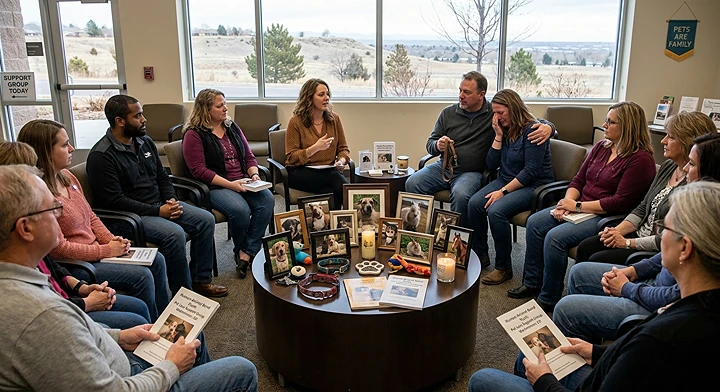
Grief can feel isolating, especially after pet loss. Connecting with others who understand the human-animal bond can provide comfort and reassurance.
Support may come from:
Friends and family
Veterinarians
Pet loss support groups
Counselors or therapists
Online grief communities
You do not have to navigate grief alone.
Deciding Whether to Welcome Another Pet
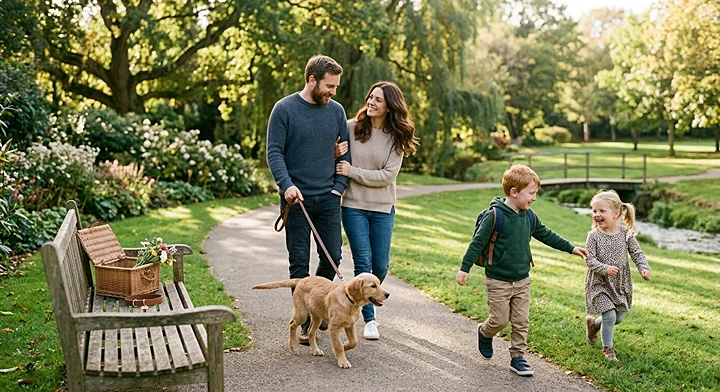
Some families eventually choose to adopt another pet, while others may not feel ready for a long time. There is no right timeline for this decision.
A new pet never replaces the one who was lost. Instead, many families find that opening their hearts again becomes a way to continue the love and compassion their previous pet inspired.
Moving Forward Does Not Mean Forgetting
Healing after pet loss is not about leaving your pet behind. It is about learning to carry their memory with love instead of only pain.
Over time, many people find that sadness gradually makes room for gratitude, laughter, and warm memories of the life they shared with their beloved companion.
The Bond Remains
The paw prints left on your heart do not disappear. Your pet’s love, companionship, and presence become part of your story forever.
Moving forward simply means continuing life while honoring the love that will always remain.