

Helping Children With The Loss Of A Pet
Helping Children With the Loss of a Pet
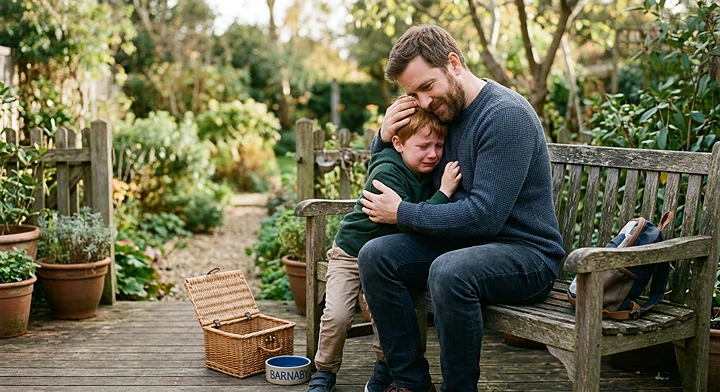
For many children, a pet may be their first experience with loss and grief. Pets are often trusted companions, playmates, and sources of comfort, so losing them can feel confusing, heartbreaking, and overwhelming. Supporting children through pet loss with honesty, compassion, and patience can help them process their emotions in a healthy and meaningful way.
Be Honest and Age-Appropriate
Children benefit from clear, gentle, and honest explanations. Using simple language can help reduce confusion and build trust.
It is often recommended to avoid phrases like:
“Went to sleep”
“Ran away”
“Passed away” without explanation
These phrases may unintentionally create fear or confusion, especially for younger children. Instead, gentle honesty such as:
“Their body stopped working and they died.”
…can help children better understand what has happened in a loving and supportive way.
Allow Children to Express Their Feelings
Every child grieves differently. Some may cry openly, while others may become quiet, angry, confused, or ask many questions. Some children may appear unaffected at first and process emotions later.
Encourage children to share their feelings without judgment. Let them know:
It is okay to feel sad
It is okay to cry
It is okay to miss their pet
Their feelings are normal and important
Reassure Children That They Are Not to Blame
Children sometimes believe they caused the illness or death through something they said, did, or forgot to do. Gentle reassurance is important.
You might say:
“Nothing you did caused this.”
“Your pet knew they were loved.”Encourage Healthy Ways to Remember Their Pet
Memorial activities can help children process grief and celebrate the bond they shared with their pet. Ideas include:
Drawing pictures
Writing letters to their pet
Creating a scrapbook
Making a paw print keepsake
Planting flowers or a tree
Sharing favorite memories
Framing photos
These activities help children express emotions while honoring their pet’s life.
Maintain Comforting Routines
During grief, familiar routines can help children feel safe and supported. Continuing regular meals, school schedules, bedtime routines, and family activities can provide stability during emotional times.
Answer Questions With Patience
Children may ask the same questions repeatedly as they process loss and try to understand death. Calm, patient answers help them feel supported and secure.
It is okay if adults do not have every answer. Sometimes simply saying:
“I know this is really hard. I miss them too.”
…can be deeply comforting.
Let Children Participate if Appropriate
Some families choose to involve children in memorials, saying goodbye, or remembrance activities. Participation should always be based on the child’s age, emotional readiness, and comfort level.
Children should never feel forced to participate if they do not want to.
Watch for Signs a Child May Need Extra Support
While grief is normal, some children may struggle more deeply after losing a pet. Consider seeking additional support if a child experiences:
Ongoing anxiety or fear
Withdrawal from normal activities
Sleep difficulties
Persistent sadness
Major behavior changes
Trouble functioning at school or home
Counselors, school support staff, and grief specialists can help children process difficult emotions.
Grieving Together as a Family
Children often take emotional cues from the adults around them. Showing sadness, sharing memories, and expressing love openly can teach children that grief is a natural part of loving and losing someone important.
The Love Remains
Although the loss of a pet is painful, the love and memories shared with them continue to stay with a child for years to come. Supporting children with patience, honesty, and compassion can help them move through grief while honoring the special bond they shared with their beloved companion.

Support Groups